„Sechseläuten History“ at Art Poster Gallery
Your Content Goes Here
Historical „Sechseläuten“ Prints at Art Poster Gallery from 9 – 17 April
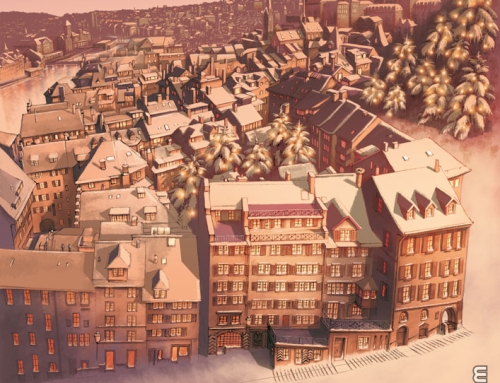
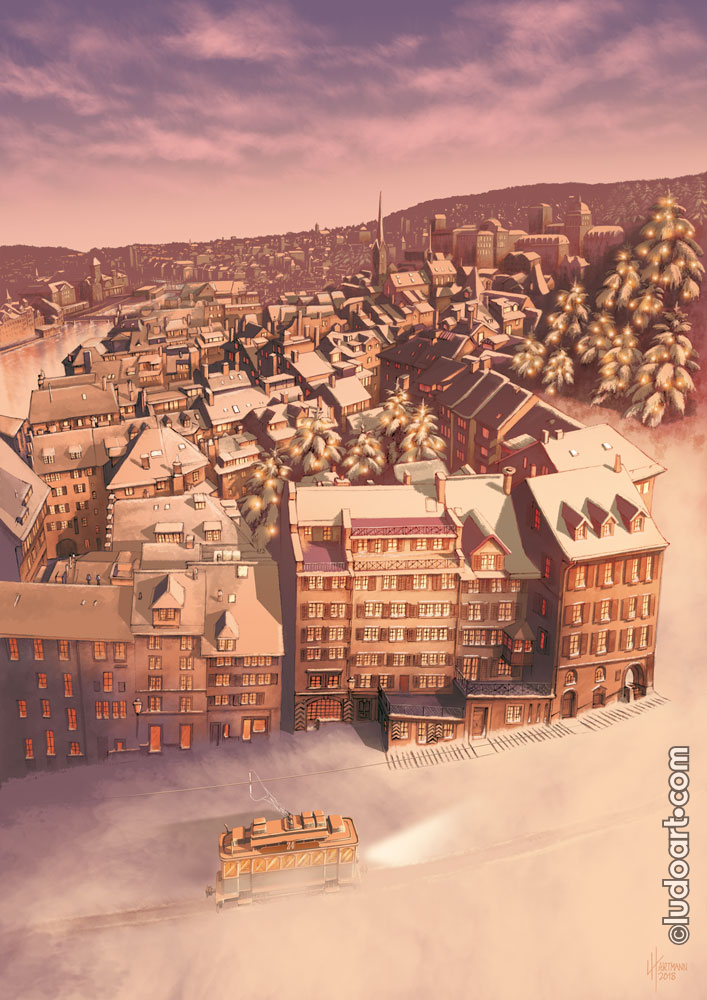
The more than 100-year-old Sechseläuten color lithographs by Fritz Boscovits are available to admire and buy exclusively at the new “Sechselüütä-Expo” in the Art Poster Gallery – in keeping with the traditional Zurich Festive Event – and in the name of spring.
History of the „Sechseläuten“
The roots of the festival go back to medieval times when the first day of summer working hours was celebrated in the guildhalls across the city. City ordinances strictly regulated the length of the working day in that era. During the winter semester the workday in all workshops lasted as long as there was daylight, but during the summer semester (i.e. starting on Monday following vernal equinox) the law proclaimed that work must cease when the church bells tolled at six o’clock. Sechseläuten is a Swiss German word that literally translates into “The six o’clock ringing of the bells”. Changing to summer working hours traditionally was a joyous occasion because it marked the beginning of the season where people had some non-working daylight hours.
Burnings of Böögg figures (the Swiss German term for “bogey”, in origin scary-looking ragdolls) in spring are attested in various places of the city from the late 18th and early 19th century, without direct connection to the Sechseläuten. The combination of the Sechseläuten parade and the burning of an official Böögg was introduced in 1902.
From 1902 until 1951[citation needed], the holiday used to be held on the first Monday following vernal equinox. On that day, the Fraumünster bell, for the first time in the year, tolled to mark the end of working hours at 6 p.m. (historically the time of sunset on vernal equinox). The holiday was moved to the third Monday of April in 1952. Because of the later date, and because of summer time introduced in 1981, the lighting of the Böögg’s pyre at 6 p.m. has now moved to several hours before nightfall. Additionally, because of its present date, the holiday is often within a week of 1 May, leading to a stark contrast between the upper class dominated Sechseläuten and the working class holiday of May Day. This proximity of the major festivals of two political poles of the society of Zürich has led to various interferences in the past, for example the abduction of the Böögg in 2006 by leftist “revolutionaries” a few days before the Sechseläuten. Since then, several Bööggs are held in reserve with the main one stored at a bank nearby the Sechseläutenplatz (the open area in front of the Opernhaus near Bellevue where most Zürich open air activities take place). Since 2010 the guilds of Zürich allow the women of Gesellschaft zu Fraumünster to practice Sechseläuten, usually just being guests of the guilds respectively the Constaffel society, but still not being as an official guild in Zürich.
We look forward to your visit at our Gallery
Your Art Poster Team
Art Poster Gallery Zurich AG, Stadelhoferstrasse 28, 8001 Zürich
Telefon +41 (0)44 252 42 55
info@artposter.ch